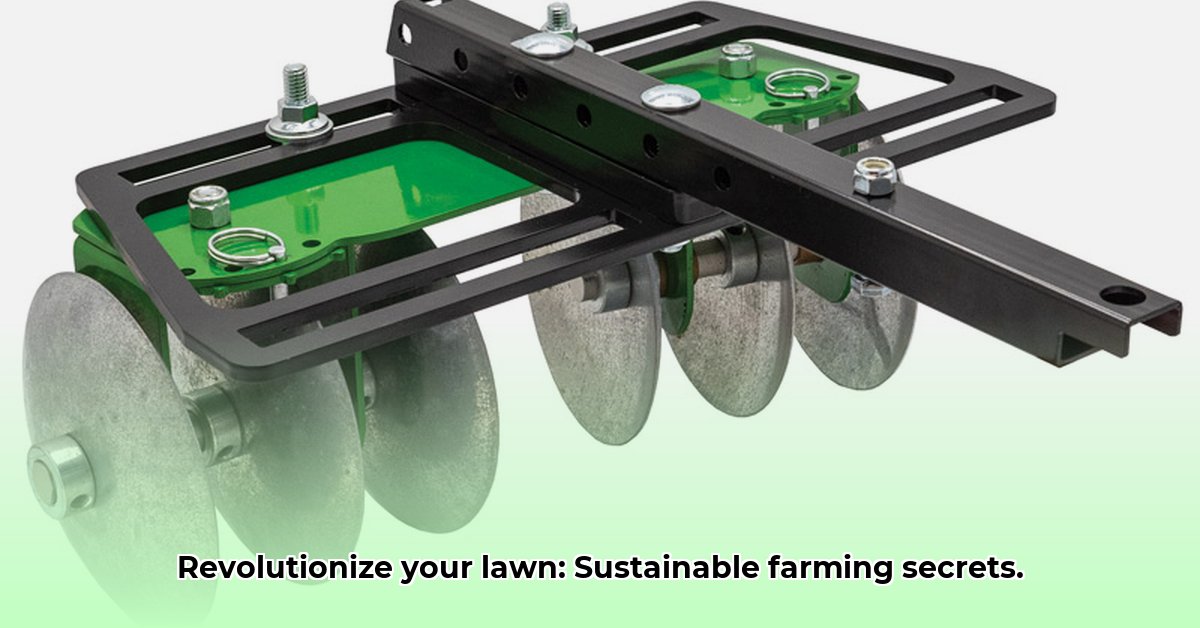
Understanding Lawn Tractor Disks
Lawn tractor disks are smaller, more maneuverable versions of the larger disc harrows used in agriculture. They're designed to attach to your lawn tractor, providing a powerful method for soil preparation. These implements come in various sizes and configurations, each suited to different tasks and lawn sizes. Some excel at breaking up compacted soil, while others are better for leveling or seedbed preparation. Key variations include the number of discs, their diameter, and the overall weight of the attachment. More discs generally mean a wider working area and increased efficiency. (Think of them like miniature plows for your lawn.) For optimal tire pressure, check out this helpful guide on tire pressure.
Choosing the Right Lawn Tractor Disk
Selecting the appropriate disk hinges on several factors. First, consider your lawn's size: larger lawns necessitate more robust, wider disks. Next, assess your soil type. Heavy clay soils benefit from more powerful disks (potentially those with heavier discs) than lighter, sandier soils. Key specifications to examine include the working width (the width of the swath covered in a single pass), depth adjustment capabilities (allowing controlled soil penetration), and the number of discs. While more discs often translate to quicker work, they also increase the initial investment. Budgetary constraints should also be considered, as prices vary based on quality, size, and features.
How to Use a Lawn Tractor Disk Effectively: A Step-by-Step Guide
Safe and effective use is paramount. Here's a detailed approach:
Pre-Operation Checklist: Always inspect the disk thoroughly before use. Check for loose bolts, damaged discs, or any bent parts. Early detection prevents accidents and damage.
Adjusting the Depth: This is critical. Set the depth based on your soil type and the task. Seedbed preparation requires shallower tilling than breaking up heavily compacted ground. Adjustments are typically made via a lever or bolt; test with small adjustments before significant changes.
Getting Started: Begin at a slow speed to acclimate to the disk's performance on your lawn. Gradually increase speed as you gain experience. Find the optimal speed balancing effectiveness and minimizing wear.
Overlapping Passes: Slightly overlap each pass for even soil preparation. This eliminates untouched strips and ensures consistent results.
Post-Operation Maintenance: Clean the disk thoroughly after use to remove soil and debris. Lubricate moving parts to ensure smooth operation and prevent rust. Proper cleaning and lubrication significantly extend the disk’s life.
Safety First: Always wear appropriate safety gear, including eye protection, and work in a clear area free of obstructions. Never operate the equipment while fatigued or under the influence of substances that impair judgment. Isn't safety the most important factor when operating any machinery?
Sustainable Practices with Lawn Tractor Disks: Minimizing Your Impact
Sustainable use involves minimizing the environmental impact. Key considerations include:
Avoid Over-Tilling: Excessive tilling degrades soil structure, leading to erosion and reduced water retention. Strive for minimal tillage whenever practical. Does excessive tilling truly benefit your lawn's long-term health?
No-Till or Reduced-Till Integration: Consider no-till or reduced-till gardening techniques. These practices minimize soil disturbance, fostering healthier soil ecosystems.
Optimize Speed and Depth: This reduces fuel consumption and lowers the overall environmental impact.
Proper Maintenance: Extends the disk's life, reducing replacements and minimizing the environmental impact of manufacturing new ones.
Maintenance and Long-Term Sustainability: Extending Equipment Life
Regular maintenance is vital for long-term performance. This includes:
Cleaning: Clean the disk after each use to remove soil and debris.
Lubrication: Lubricate moving parts as recommended by the manufacturer to prevent rust and maintain smooth operation.
Sharpening: Regularly sharpen the blades (if applicable) for efficient tilling. Dull blades tear soil, causing uneven results.
Storage: Store the disk in a dry, covered area to prevent corrosion and damage.
Responsible disposal or recycling at the end of its lifespan minimizes waste.
Conclusion and Next Steps
Mastering lawn tractor disks enhances lawn health while promoting eco-conscious practices. By following these guidelines, you can achieve a healthy, vibrant lawn while minimizing your environmental footprint. Remember, proper maintenance, strategic use, and sustainable practices are key to long-term success. Now that you have the knowledge, let's get to work on a healthier, more sustainable lawn!